


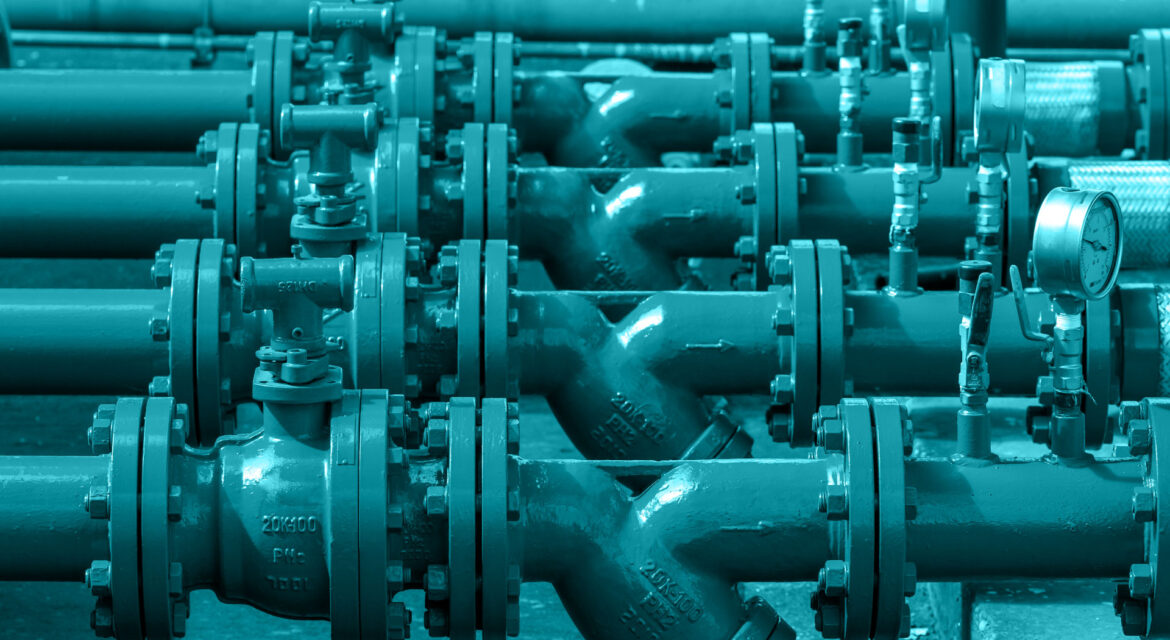
Strategic Water Planning: Ensuring Sustainable Water Services
Water is the foundation of social and economic life, yet across South Africa and globally, the demand for water is rising while the supply continues to remain limited.
Municipalities must provide safe, reliable water services to growing populations, and industries depend on consistent water access to keep operations running. At the same time, climate change, ageing infrastructure, and pollution are adding pressure to already strained systems (Maumela et al).
Strategic water planning offers a way forward.
By thinking long-term and coordinating across sectors, municipalities and industries can secure sustainable water services and improve efficiency.
In this article, we explain why strategic water planning matters, how it works, and the benefits it brings to communities and businesses alike.
Why Strategic Water Planning Matters
Without proper planning, water services often follow a reactive path: repairs are made only after breakdowns, and shortages are only addressed once they become a crisis. This short-term approach not only increases costs but also undermines trust and reliability (WaterAid & PARI).
Strategic water planning shifts the focus.
Instead of waiting for problems, municipalities and industries anticipate future challenges ( droughts, population growth and/or industrial expansion) and design systems to meet them.
This proactive mindset allows decision-makers to:
- Align water supply with long-term demand.
- Safeguard natural resources for future use.
- Reduce costs through efficiency and preventive maintenance.
- Improve resilience to shocks like extreme weather events.
In short, it transforms water management from a patchwork of fixes into a roadmap for sustainability.
Planning Strategies for Municipal and Industrial Sustainability
Strategic water planning is not a single action but a process that combines policies and community engagement.
Some key strategies include:
1. Demand Forecasting and Resource Assessment
Planners begin by projecting future water needs based on population growth, industrial expansion, and climate scenarios.
At the same time, they assess available resources (surface water, groundwater, rainwater) and reuse options (Department of Water and Sanitation).
For industries, tools such as decision-support models help identify potential for reuse and recycling (Steyn).
This balance of supply and demand informs realistic planning targets.
2. Infrastructure Optimisation
Upgrading existing systems often costs less than building new ones.
Municipalities can reduce water loss by repairing leaks, while industries can modernise cooling and production systems to use less water.
For example, improving household and municipal efficiency through taps and showers could save more than 1 trillion litres of water annually in South Africa (CLASP).
Strategic plans prioritise these efficiency measures before expanding capacity.
3. Diversification of Supply
Relying on a single water source is risky.
A diversified supply strategy may combine dams, boreholes, desalination, stormwater capture, and wastewater recycling.
For industries, closed-loop systems that reuse water within production cycles can drastically cut withdrawals (NCPC-SA).
4. Integrated Planning Across Sectors
Water connects municipalities, industries, agriculture, and ecosystems.
Coordinated planning avoids conflicts, for example, ensuring that industrial withdrawals don’t undermine community supplies.
This “One Water” approach treats all users as part of a shared system (Maumela et al).
5. Community and Stakeholder Engagement
Strategic plans succeed when people are part of the process.
Municipalities that involve residents in water-saving campaigns or decision-making gain stronger support.
Similarly, industries that partner with local communities build trust and social licence to operate (WaterAid & PARI).
Benefits of Strategic Water Planning
Adopting these strategies brings wide-ranging benefits:
- Reliable Services: Municipalities can provide continuous, safe water to households, reducing outages and health risks (WaterAid & PARI).
- Operational Efficiency: Industries save costs through water efficiency, recycling, and reduced downtime (NCPC-SA).
- Resilient Communities: Diversified supplies and integrated planning help towns withstand droughts and floods (Environmental Systems Research).
- Environmental Protection: Smarter use of water reduces pollution, preserves river flows, and supports ecosystems (Maumela et al).
- Long-Term Sustainability: By planning ahead, both municipalities and industries secure the water they need for future generations (Department of Water and Sanitation).
Ultimately, strategic water planning is about ensuring that water services remain sustainable and fair for everyone.
Final Thoughts
Water challenges are not going away, but with smart planning, they can be managed.
Strategic water planning equips municipalities and industries to think beyond today’s needs, ensuring reliable services and efficient operations in the decades ahead.
By forecasting demand, diversifying supply, and engaging communities, decision-makers can transform water from a source of stress into a platform for growth and sustainability.
In South Africa and beyond, the message is clear: strategic water planning is not optional, it is essential.
At Re-Solve, we help municipalities and communities turn water challenges into sustainable opportunities.
Whether you need support with long-term planning or efficiency strategies, our team can guide you through every step of the process.
Get in touch with us today to start building a secure and sustainable water future.