


South Africa’s Water Crisis: A Fixable Failure in Management, Systems, and Infrastructure
South Africa’s water crisis is real — but it’s often misunderstood. This is not a crisis of water scarcity in the traditional sense. South Africa has sufficient water resources to meet demand. The problem lies in how water is managed, delivered, and maintained.
Unlike the energy crisis, where generation capacity falls short, the water crisis is a result of inefficiency, mismanagement, and decaying infrastructure. This distinction is critical. Because while it’s a complex, multi-layered problem, it is also a solvable one.
Understanding the True Nature of South Africa’s Water Crisis
South Africa receives adequate rainfall and has built significant water storage and transfer infrastructure. Yet, millions of citizens face daily disruptions, unsafe water, and failing supply systems. The gap is not in supply, but in governance and delivery.
At its core, the water crisis is driven by three interconnected failures:
1. Management Deficiencies
Many municipalities struggle with ineffective management and weak governance in water service delivery. Operational budgets are often misallocated, planning is reactive rather than proactive, and there’s a chronic shortage of qualified technical staff.
Without capable leadership, essential functions like water quality monitoring, infrastructure maintenance, and demand management fall through the cracks. This erodes service reliability and public trust.
2. System Breakdowns (Billing, IT, Communication)
Behind every burst pipe is often a breakdown in systems. Many local authorities face severe challenges with outdated or dysfunctional billing systems. When municipalities cannot accurately bill for water usage, they lose critical revenue needed for operations and maintenance.
Communication failures compound the problem. Leaks go unreported, usage data is unavailable, and operational blind spots grow. Without reliable systems, managing a water network becomes guesswork.
3. Infrastructure Neglect and Maintenance Backlogs
South Africa’s water infrastructure is aging and under-maintained. Much of the network — pipes, pumps, treatment plants — has exceeded its intended lifespan. Years of deferred maintenance have left these assets vulnerable to failure.
The result is staggering levels of water loss. Industry estimates suggest that over 40% of treated water never reaches consumers, lost to leaks, bursts, and unaccounted usage. This is far above global best practice benchmarks.
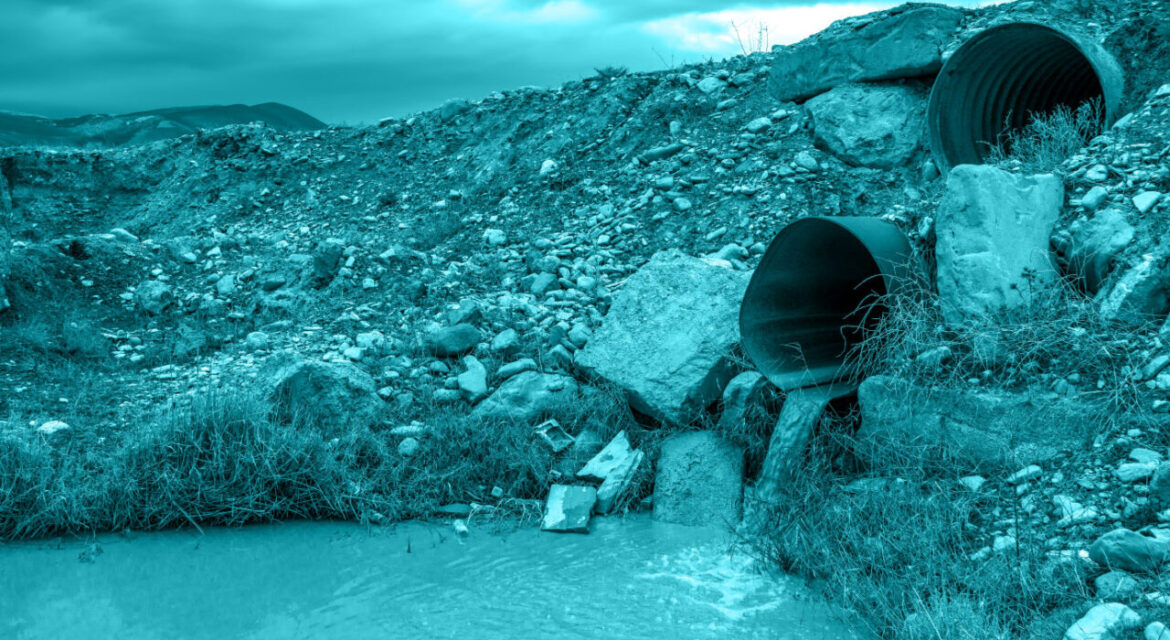
Moreover, wastewater treatment works across the country are struggling, leading to contamination of rivers and dams. Every infrastructure failure exacerbates water scarcity — not because the water doesn’t exist, but because it cannot be delivered safely and reliably.
A Complex Crisis, but a Solvable One
While the water crisis is multifaceted, it is within our ability to fix. Addressing it requires a coordinated effort across several fronts:
1. Funding the Fix
The financial requirements to restore and upgrade South Africa’s water infrastructure are significant. Municipalities face escalating debt, shrinking revenues, and limited fiscal capacity. Government allocations, while helpful, are insufficient on their own.
Innovative funding mechanisms — including partnerships with the private sector — are essential to bridge this gap. Without adequate investment, the maintenance backlog will continue to grow, and service failures will worsen.
2. Building Skills and Capacity
Money alone will not solve the crisis. Technical expertise and institutional capacity are critical. Many municipalities lack qualified engineers, process controllers, and project managers to operate and maintain water systems effectively.
Strengthening local capacity involves:
- Attracting and retaining skilled professionals.
- Accelerating training programs.
- Leveraging partnerships to bring in external expertise.
- Supporting municipalities with operational mentorship and technical support.
3. Prioritising Maintenance and Operational Efficiency
One of the most effective interventions is also the most basic: fixing what we already have. Leak detection and repair programs, pressure management, and routine maintenance can deliver immediate improvements in water availability and service reliability.
These interventions often deliver high impact at a lower cost than new infrastructure projects, yet they require management focus and disciplined execution.
The Role of Public-Private Partnerships in Water Solutions
Given the scale of the problem and the limited public funds, Public-Private Partnerships (PPPs) offer a practical and proven model for delivering water solutions in South Africa.
In a PPP, the private sector partners with government to provide infrastructure, technical expertise, and operational support, while sharing the associated risks and rewards. For municipalities, this means gaining access to skills and capital that would otherwise be out of reach.
One particularly effective model is the shared savings approach. Under this model:
- The private partner funds and implements efficiency improvements (e.g., leak repairs, smart metering).
- The partner is repaid from the actual savings achieved (reduced water losses or improved revenue collection).
- The municipality benefits from improved service delivery without upfront capital outlay.
This risk-reward model aligns incentives, ensuring that private partners are rewarded for tangible performance improvements, while safeguarding public interests.
The growing adoption of PPPs in South Africa’s water sector reflects a broader recognition that collaboration is essential. It is not about privatizing water — it is about leveraging private sector strengths to support and enhance public service delivery.
Re-Solve’s Approach: Practical Solutions for Complex Challenges
At Re-Solve, we have spent the last two decades helping municipalities and utilities navigate these very challenges.
Our experience has shown that every water crisis is unique in its local context, but the underlying issues are often the same: management gaps, broken systems, and neglected infrastructure.
Re-Solve offers:
- Turnkey solutions that address water challenges holistically, from diagnostics to implementation.
- Modular services targeting specific pain points, such as leak detection, infrastructure rehabilitation, and process optimization.
- Partnership models that share risk and align with client outcomes, including performance-based contracts.
Our approach combines technical excellence with pragmatic execution, ensuring that solutions are both effective and sustainable.
The Path Forward: From Crisis to Resilience
South Africa’s water crisis is daunting, but it is not insurmountable. The path to water security lies in:
- Fixing leaks and failing infrastructure.
- Strengthening management and operational capacity.
- Mobilising investment through innovative funding models.
- Partnering across sectors to deliver measurable results.
This is not a future problem. It is a present-day challenge that requires urgent action. Every day of inaction compounds the costs — financially, socially, and environmentally.
But with the right focus, collaboration, and commitment, South Africa can turn this crisis into an opportunity to build a more resilient, efficient, and equitable water sector.
At Re-Solve, we are ready to be part of that solution.