

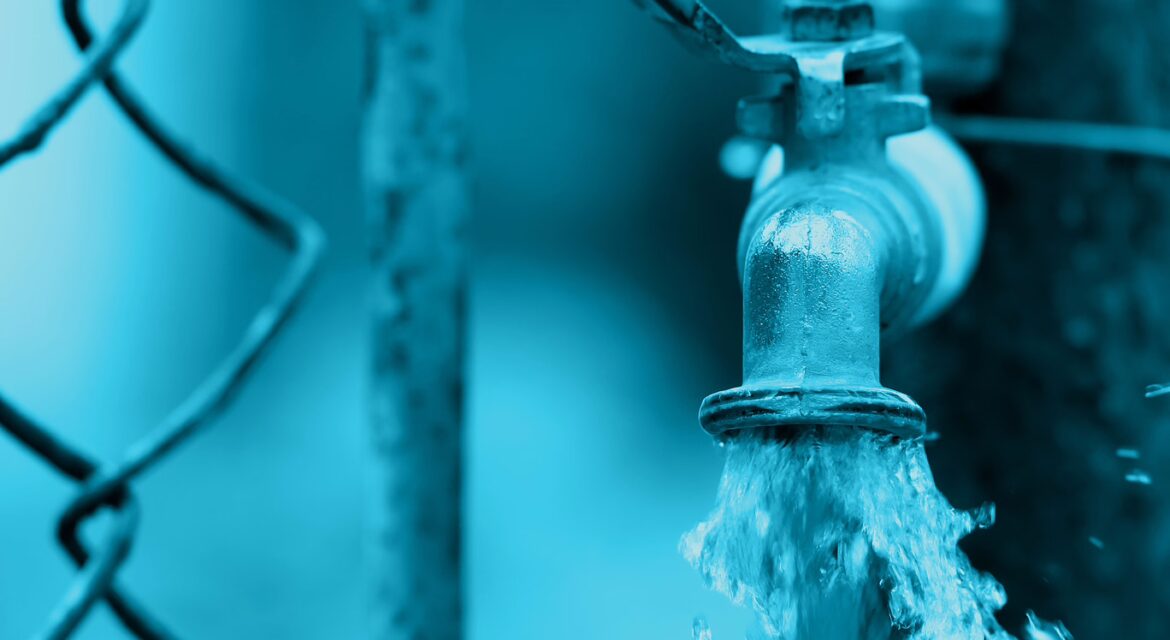
Urban Water Renewal: Transforming Rural Areas Through Sustainable Water Solutions
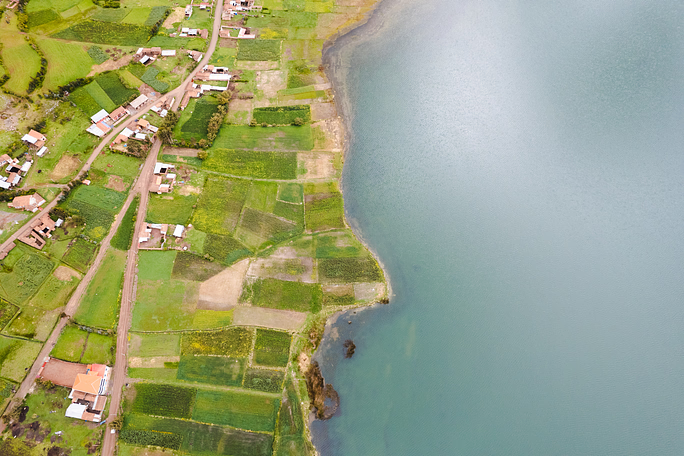
When we talk about water challenges, cities often dominate the conversation. But rural communities face equally critical water struggles, often with far fewer resources and attention.
Across South Africa and beyond, rural areas are grappling with ageing boreholes, unreliable rainfall, limited infrastructure, and growing populations.
Access to clean, reliable water isn’t just an inconvenience in these areas, it’s a matter of health, dignity, and economic survival.
Rural water renewal offers a path forward.
By implementing sustainable water solutions tailored to rural contexts, communities can build resilience, improve health outcomes, and create opportunities for growth.
This isn’t about copying urban systems.
Rural water management requires different approaches, ones that work with local conditions, embrace community ownership, and recognise the unique challenges facing dispersed populations.
Why Rural Water Renewal Matters
Rural communities depend on water for:
- Drinking and sanitation – Basic human needs that many still struggle to access reliably
- Agriculture and livestock -The economic backbone of most rural areas
- Schools and clinics – Essential services that can’t function without water
- Small businesses – Local enterprises that drive community development
Yet much of this water is under threat.
Droughts are becoming more frequent and severe. Groundwater levels are dropping. Infrastructure built decades ago is failing. And climate change is making rainfall increasingly unpredictable.
According to UNICEF’s research on water access, millions of people in South Africa still lack access to basic water services, with rural areas disproportionately affected.
Without intervention, rural communities risk:
- Health crises from contaminated or insufficient water supplies
- Economic decline as agriculture becomes unsustainable
- Youth migration to cities in search of basic services
- Increased inequality between urban and rural areas
- Environmental degradation from overexploitation of limited resources
Sustainable water management isn’t a luxury for rural areas, it’s essential for survival and growth.
The Unique Challenges of Rural Water Management
Rural water systems face distinct challenges that urban solutions simply can’t address:
1. Geographic Dispersion
Unlike cities where infrastructure serves dense populations, rural areas must deliver water across vast distances to scattered homesteads and small villages.
This makes centralised systems expensive and often impractical. Maintenance becomes challenging when facilities are spread across hundreds of kilometres.
2. Limited Financial Resources
Rural municipalities typically have smaller budgets and tax bases than urban centres.
Water infrastructure must compete with roads, healthcare, education, and other essential services for limited funding.
3. Dependence on Groundwater
Many rural communities rely entirely on boreholes and springs rather than municipal supply.
When these sources dry up or become contaminated, there’s often no backup system. Groundwater depletion is a growing concern across South Africa.
4. Ageing and Inadequate Infrastructure
Boreholes drilled decades ago are failing. Hand pumps break down. Storage tanks crack. Pipes leak.
And unlike urban areas with dedicated maintenance teams, rural communities often lack the technical expertise or spare parts to fix problems quickly.
5. Climate Vulnerability
Rural areas are often more exposed to climate extremes. A single drought can devastate crops, livestock, and water supplies simultaneously.
Floods can destroy infrastructure that takes years to rebuild. Increasingly erratic rainfall makes planning nearly impossible.
6. Governance and Management Gaps
Who maintains rural water systems? Is it the municipality, the community, or a combination?
Unclear responsibilities, limited training, and lack of coordination often mean systems deteriorate faster than they should.
These challenges require solutions designed specifically for rural contexts, not urban systems scaled down.
Key Strategies for Rural Water Renewal
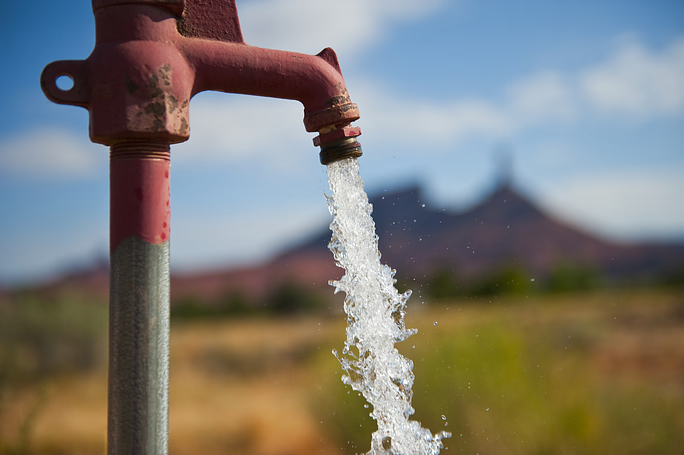
Effective rural water renewal combines practical technology, community participation, and long-term sustainability. Here are proven strategies that work:
1. Borehole Rehabilitation and Protection
Rather than abandoning failing boreholes, many can be rehabilitated at a fraction of the cost of drilling new ones.
Key actions include:
- Professional assessment of existing boreholes
- Cleaning and deepening where viable
- Installing proper casing and seals
- Implementing protection zones around water sources
- Regular testing for contamination
Protecting groundwater from pollution is equally critical. Simple measures like proper waste management and limiting activities near boreholes can preserve water quality for decades.
2. Rainwater Harvesting at Community and Household Level
Rural areas often have abundant roof space and open land perfect for rainwater collection.
Practical approaches include:
- Household tanks connected to roof gutters
- Community storage facilities serving multiple households
- School and clinic rainwater systems that also serve education purposes
- Agricultural ponds for irrigation and livestock
Even modest systems can capture thousands of litres during rainy seasons, reducing pressure on groundwater and providing backup during dry months.
3. Spring Protection and Development
Natural springs are valuable water sources that often go unprotected, leading to contamination and seasonal failure.
Spring protection involves:
- Constructing proper spring boxes to prevent contamination
- Installing pipes and storage tanks
- Creating protection zones to prevent pollution
- Community training on maintenance
- Regular monitoring of water quality
Properly protected springs can serve communities reliably for generations.
4. Small-Scale Treatment Solutions
Rural communities need treatment systems that work without constant electricity, skilled operators, or expensive chemicals.
Effective options include:
- Sand filtration systems for surface water
- Solar-powered disinfection
- Biosand filters for household use
- Simple chlorination systems
- Constructed wetlands for grey water treatment
These technologies are affordable, maintainable by communities themselves, and provide safe drinking water.
5. Water Conservation and Demand Management
Reducing water waste and using water efficiently stretches limited supplies further.
Practical conservation strategies:
- Low-flow taps and showerheads in schools and clinics
- Drip irrigation for agriculture instead of flood irrigation
- Fixing leaks promptly
- Water-wise gardening and landscaping
- Community education on water-saving practices
Small changes in how water is used can have massive impacts on supply reliability.
6. Community-Based Management Models
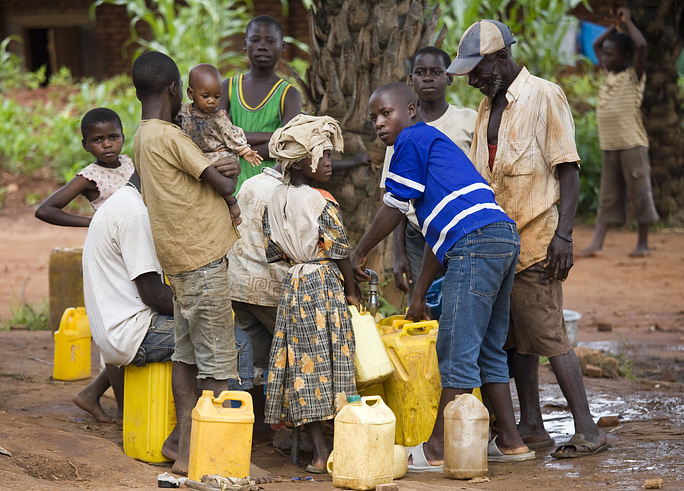
The most successful rural water systems are those managed by the communities they serve.
Key elements include:
- Training local water committees
- Clear roles and responsibilities
- Simple accounting and budgeting systems
- Regular maintenance schedules
- Community contribution systems for repairs
- Links to municipal support when needed
When communities own their water systems, they maintain them better and use water more responsibly.
7. Drought Resilience Planning
Rural areas must plan for drought, not just react to it.
Effective drought planning involves:
- Identifying alternative water sources in advance
- Creating emergency storage capacity
- Developing water-sharing agreements between communities
- Implementing early warning systems
- Establishing drought relief protocols
- Building long-term groundwater monitoring programmes
Communities with plans in place weather droughts far better than those caught unprepared.
8. Multi-Source Water Strategies
Relying on a single water source is risky. Resilient communities develop multiple options:
- Boreholes as primary source
- Rainwater harvesting for supplemental supply
- Protected springs for specific uses
- Trucked water arrangements for emergencies
- Treated greywater for gardens and livestock
Diversity in water sources means that when one fails, others provide backup.
The Benefits of Rural Water Renewal
When rural communities invest in sustainable water solutions, the benefits extend far beyond the tap:
Improved Health and Dignity
Access to clean water reduces waterborne diseases dramatically. Children spend less time sick and more time in school. Women and girls no longer walk hours each day to fetch water.
Economic Opportunities
Reliable water enables:
- More productive agriculture
- Livestock farming
- Small businesses like brick-making or food processing
- Tourism facilities in appropriate areas
- Job creation in water system management
Environmental Protection
Sustainable water use protects rivers, wetlands, and groundwater for future generations. Proper wastewater management prevents pollution of natural water sources.
Community Empowerment
Managing water systems builds skills, creates local jobs, and strengthens community organisation. Success with water often leads to improvements in other areas.
Climate Resilience
Communities with diverse water sources, storage capacity, and conservation practices can weather droughts and floods far better than those dependent on single, vulnerable systems.
Reduced Urban Migration
When rural areas have reliable basic services, young people are more likely to stay and contribute to local development rather than migrating to overcrowded cities.
Real-World Success: What Works in Rural South Africa
Across the country, communities and municipalities are showing what’s possible:
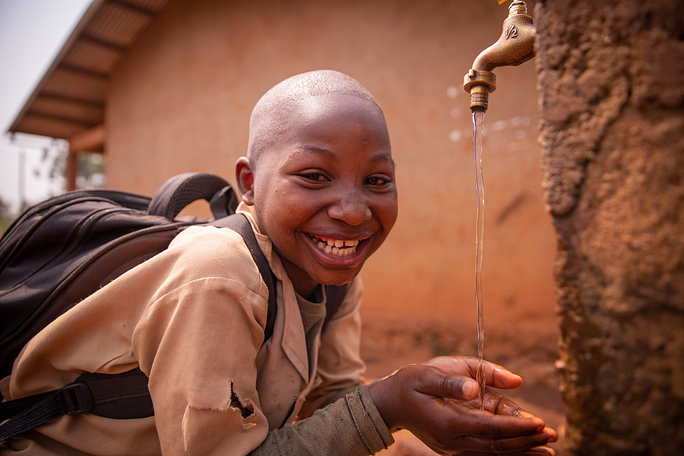
Rainwater harvesting in the Eastern Cape has provided schools with reliable water for the first time, improving attendance and hygiene.
Borehole rehabilitation programmes in Limpopo have restored water supply to villages at 30% of the cost of drilling new boreholes.
Community-managed systems in KwaZulu-Natal have maintained functionality rates above 80%, far exceeding the national average.
Spring protection projects in the Free State have turned seasonal, contaminated sources into year-round safe water supplies.
These aren’t massive, expensive interventions. They’re practical, affordable solutions implemented with community participation and proper technical support.
Common Mistakes to Avoid
Rural water renewal efforts sometimes fail. Here’s what to avoid:
Don’t ignore communities: Top-down solutions without community buy-in usually fail within years.
Don’t choose inappropriate technology: Complex systems requiring skilled maintenance rarely work in rural areas.
Don’t neglect ongoing costs: Installation is only the beginning. Systems need maintenance budgets and trained operators.
Don’t forget water quality: Quantity without quality creates new health problems.
Don’t overlook governance: Clear management structures prevent disputes and ensure accountability.
Don’t assume one size fits all: What works in one area may not suit another’s geology, climate, or social structure.
The Role of Different Stakeholders
Successful rural water renewal requires collaboration:
Communities must participate in planning, contribute to costs, and take ownership of management.
Municipalities provide technical support, oversight, and connections to funding.
Government departments set standards, provide funding, and ensure equity.
NGOs and consultants offer technical expertise, training, and implementation support.
Private sector supplies materials, equipment, and specialised services.
When these stakeholders work together with clear roles and good communication, rural water renewal succeeds.
Start Planning Your Rural Water Future
Rural water renewal isn’t about grand infrastructure projects. It’s about practical, sustainable solutions that work with local conditions and empower communities.
It starts with understanding what you have:
- What water sources exist?
- What infrastructure is in place?
- What’s working and what isn’t?
- What does the community need and want?
- What resources are available?
From there, you can develop a plan that combines appropriate technology, community participation, and long-term sustainability.
Build Sustainable Rural Water Systems with Re-Solve
At Re-Solve, we understand the unique challenges facing rural communities. We specialise in developing sustainable water solutions that work in real-world rural contexts.
Our services include:
- Rural water system assessments and planning
- Borehole rehabilitation and development
- Rainwater harvesting system design
- Community training and capacity building
- Spring protection and development
- Integrated water resource management
- Climate resilience planning
We work alongside communities and municipalities to create water systems that last, not just infrastructure that looks good at the ribbon-cutting.
Do you need assistance with rural water renewal and sustainable solutions?